
Product Description
VARIANTS DESIGN
Layout of a roller chain: 1. Outer plate, 2. Inner plate, 3. Pin, 4. Bushing, 5. Roller
If the chain is not being used for a high wear application (for instance if it is just transmitting motion from a hand-operated lever to a control shaft on a machine, or a sliding door on an oven), then 1 of the simpler types of chain may still be used. Conversely, where extra strength but the smooth drive of a smaller pitch is required, the chain may be “siamesed”; instead of just 2 rows of plates on the outer sides of the chain, there may be 3 (“duplex”), 4 (“triplex”), or more rows of plates running parallel, with bushings and rollers between each adjacent pair, and the same number of rows of teeth running in parallel on the sprockets to match. Timing chains on automotive engines, for example, typically have multiple rows of plates called strands.
Roller chain is made in several sizes, the most common American National Standards Institute (ANSI) standards being 40, 50, 60, and 80. The first digit(s) indicate the pitch of the chain in eighths of an inch, with the last digit being 0 for standard chain, 1 for lightweight chain, and 5 for bushed chain with no rollers. Thus, a chain with half-inch pitch would be a #40 while a #160 sprocket would have teeth spaced 2 inches apart, etc. Metric pitches are expressed in sixteenths of an inch; thus a metric #8 chain (08B-1) would be equivalent to an ANSI #40. Most roller chain is made from plain carbon or alloy steel, but stainless steel is used in food processing machinery or other places where lubrication is a problem, and nylon or brass are occasionally seen for the same reason.
Roller chain is ordinarily hooked up using a master link (also known as a connecting link), which typically has 1 pin held by a horseshoe clip rather than friction fit, allowing it to be inserted or removed with simple tools. Chain with a removable link or pin is also known as cottered chain, which allows the length of the chain to be adjusted. Half links (also known as offsets) are available and are used to increase the length of the chain by a single roller. Riveted roller chain has the master link (also known as a connecting link) “riveted” or mashed on the ends. These pins are made to be durable and are not removable.
USE
An example of 2 ‘ghost’ sprockets tensioning a triplex roller chain system
Roller chains are used in low- to mid-speed drives at around 600 to 800 feet per minute; however, at higher speeds, around 2,000 to 3,000 feet per minute, V-belts are normally used due to wear and noise issues.
A bicycle chain is a form of roller chain. Bicycle chains may have a master link, or may require a chain tool for removal and installation. A similar but larger and thus stronger chain is used on most motorcycles although it is sometimes replaced by either a toothed belt or a shaft drive, which offer lower noise level and fewer maintenance requirements.
The great majority of automobile engines use roller chains to drive the camshaft(s). Very high performance engines often use gear drive, and starting in the early 1960s toothed belts were used by some manufacturers.
Chains are also used in forklifts using hydraulic rams as a pulley to raise and lower the carriage; however, these chains are not considered roller chains, but are classified as lift or leaf chains.
Chainsaw cutting chains superficially resemble roller chains but are more closely related to leaf chains. They are driven by projecting drive links which also serve to locate the chain CZPT the bar.
Sea Harrier FA.2 ZA195 front (cold) vector thrust nozzle – the nozzle is rotated by a chain drive from an air motor
A perhaps unusual use of a pair of motorcycle chains is in the Harrier Jump Jet, where a chain drive from an air motor is used to rotate the movable engine nozzles, allowing them to be pointed downwards for hovering flight, or to the rear for normal forward flight, a system known as Thrust vectoring.
WEAR
The effect of wear on a roller chain is to increase the pitch (spacing of the links), causing the chain to grow longer. Note that this is due to wear at the pivoting pins and bushes, not from actual stretching of the metal (as does happen to some flexible steel components such as the hand-brake cable of a motor vehicle).
With modern chains it is unusual for a chain (other than that of a bicycle) to wear until it breaks, since a worn chain leads to the rapid onset of wear on the teeth of the sprockets, with ultimate failure being the loss of all the teeth on the sprocket. The sprockets (in particular the smaller of the two) suffer a grinding motion that puts a characteristic hook shape into the driven face of the teeth. (This effect is made worse by a chain improperly tensioned, but is unavoidable no matter what care is taken). The worn teeth (and chain) no longer provides smooth transmission of power and this may become evident from the noise, the vibration or (in car engines using a timing chain) the variation in ignition timing seen with a timing light. Both sprockets and chain should be replaced in these cases, since a new chain on worn sprockets will not last long. However, in less severe cases it may be possible to save the larger of the 2 sprockets, since it is always the smaller 1 that suffers the most wear. Only in very light-weight applications such as a bicycle, or in extreme cases of improper tension, will the chain normally jump off the sprockets.
The lengthening due to wear of a chain is calculated by the following formula:
M = the length of a number of links measured
S = the number of links measured
P = Pitch
In industry, it is usual to monitor the movement of the chain tensioner (whether manual or automatic) or the exact length of a drive chain (one rule of thumb is to replace a roller chain which has elongated 3% on an adjustable drive or 1.5% on a fixed-center drive). A simpler method, particularly suitable for the cycle or motorcycle user, is to attempt to pull the chain away from the larger of the 2 sprockets, whilst ensuring the chain is taut. Any significant movement (e.g. making it possible to see through a gap) probably indicates a chain worn up to and beyond the limit. Sprocket damage will result if the problem is ignored. Sprocket wear cancels this effect, and may mask chain wear.
CHAIN STRENGTH
The most common measure of roller chain’s strength is tensile strength. Tensile strength represents how much load a chain can withstand under a one-time load before breaking. Just as important as tensile strength is a chain’s fatigue strength. The critical factors in a chain’s fatigue strength is the quality of steel used to manufacture the chain, the heat treatment of the chain components, the quality of the pitch hole fabrication of the linkplates, and the type of shot plus the intensity of shot peen coverage on the linkplates. Other factors can include the thickness of the linkplates and the design (contour) of the linkplates. The rule of thumb for roller chain operating on a continuous drive is for the chain load to not exceed a mere 1/6 or 1/9 of the chain’s tensile strength, depending on the type of master links used (press-fit vs. slip-fit)[citation needed]. Roller chains operating on a continuous drive beyond these thresholds can and typically do fail prematurely via linkplate fatigue failure.
The standard minimum ultimate strength of the ANSI 29.1 steel chain is 12,500 x (pitch, in inches)2. X-ring and O-Ring chains greatly decrease wear by means of internal lubricants, increasing chain life. The internal lubrication is inserted by means of a vacuum when riveting the chain together.
CHAIN STHangZhouRDS
Standards organizations (such as ANSI and ISO) maintain standards for design, dimensions, and interchangeability of transmission chains. For example, the following Table shows data from ANSI standard B29.1-2011 (Precision Power Transmission Roller Chains, Attachments, and Sprockets) developed by the American Society of Mechanical Engineers (ASME). See the references[8][9][10] for additional information.
ASME/ANSI B29.1-2011 Roller Chain Standard SizesSizePitchMaximum Roller DiameterMinimum Ultimate Tensile StrengthMeasuring Load25
| ASME/ANSI B29.1-2011 Roller Chain Standard Sizes | ||||
| Size | Pitch | Maximum Roller Diameter | Minimum Ultimate Tensile Strength | Measuring Load |
|---|---|---|---|---|
| 25 | 0.250 in (6.35 mm) | 0.130 in (3.30 mm) | 780 lb (350 kg) | 18 lb (8.2 kg) |
| 35 | 0.375 in (9.53 mm) | 0.200 in (5.08 mm) | 1,760 lb (800 kg) | 18 lb (8.2 kg) |
| 41 | 0.500 in (12.70 mm) | 0.306 in (7.77 mm) | 1,500 lb (680 kg) | 18 lb (8.2 kg) |
| 40 | 0.500 in (12.70 mm) | 0.312 in (7.92 mm) | 3,125 lb (1,417 kg) | 31 lb (14 kg) |
| 50 | 0.625 in (15.88 mm) | 0.400 in (10.16 mm) | 4,880 lb (2,210 kg) | 49 lb (22 kg) |
| 60 | 0.750 in (19.05 mm) | 0.469 in (11.91 mm) | 7,030 lb (3,190 kg) | 70 lb (32 kg) |
| 80 | 1.000 in (25.40 mm) | 0.625 in (15.88 mm) | 12,500 lb (5,700 kg) | 125 lb (57 kg) |
| 100 | 1.250 in (31.75 mm) | 0.750 in (19.05 mm) | 19,531 lb (8,859 kg) | 195 lb (88 kg) |
| 120 | 1.500 in (38.10 mm) | 0.875 in (22.23 mm) | 28,125 lb (12,757 kg) | 281 lb (127 kg) |
| 140 | 1.750 in (44.45 mm) | 1.000 in (25.40 mm) | 38,280 lb (17,360 kg) | 383 lb (174 kg) |
| 160 | 2.000 in (50.80 mm) | 1.125 in (28.58 mm) | 50,000 lb (23,000 kg) | 500 lb (230 kg) |
| 180 | 2.250 in (57.15 mm) | 1.460 in (37.08 mm) | 63,280 lb (28,700 kg) | 633 lb (287 kg) |
| 200 | 2.500 in (63.50 mm) | 1.562 in (39.67 mm) | 78,175 lb (35,460 kg) | 781 lb (354 kg) |
| 240 | 3.000 in (76.20 mm) | 1.875 in (47.63 mm) | 112,500 lb (51,000 kg) | 1,000 lb (450 kg |
For mnemonic purposes, below is another presentation of key dimensions from the same standard, expressed in fractions of an inch (which was part of the thinking behind the choice of preferred numbers in the ANSI standard):
| Pitch (inches) | Pitch expressed in eighths |
ANSI standard chain number |
Width (inches) |
|---|---|---|---|
| 1⁄4 | 2⁄8 | 25 | 1⁄8 |
| 3⁄8 | 3⁄8 | 35 | 3⁄16 |
| 1⁄2 | 4⁄8 | 41 | 1⁄4 |
| 1⁄2 | 4⁄8 | 40 | 5⁄16 |
| 5⁄8 | 5⁄8 | 50 | 3⁄8 |
| 3⁄4 | 6⁄8 | 60 | 1⁄2 |
| 1 | 8⁄8 | 80 | 5⁄8 |
Notes:
1. The pitch is the distance between roller centers. The width is the distance between the link plates (i.e. slightly more than the roller width to allow for clearance).
2. The right-hand digit of the standard denotes 0 = normal chain, 1 = lightweight chain, 5 = rollerless bushing chain.
3. The left-hand digit denotes the number of eighths of an inch that make up the pitch.
4. An “H” following the standard number denotes heavyweight chain. A hyphenated number following the standard number denotes double-strand (2), triple-strand (3), and so on. Thus 60H-3 denotes number 60 heavyweight triple-strand chain.
A typical bicycle chain (for derailleur gears) uses narrow 1⁄2-inch-pitch chain. The width of the chain is variable, and does not affect the load capacity. The more sprockets at the rear wheel (historically 3-6, nowadays 7-12 sprockets), the narrower the chain. Chains are sold according to the number of speeds they are designed to work with, for example, “10 speed chain”. Hub gear or single speed bicycles use 1/2″ x 1/8″ chains, where 1/8″ refers to the maximum thickness of a sprocket that can be used with the chain.
Typically chains with parallel shaped links have an even number of links, with each narrow link followed by a broad one. Chains built up with a uniform type of link, narrow at 1 and broad at the other end, can be made with an odd number of links, which can be an advantage to adapt to a special chainwheel-distance; on the other side such a chain tends to be not so strong.
Roller chains made using ISO standard are sometimes called as isochains.
WHY CHOOSE US
1. Reliable Quality Assurance System
2. Cutting-Edge Computer-Controlled CNC Machines
3. Bespoke Solutions from Highly Experienced Specialists
4. Customization and OEM Available for Specific Application
5. Extensive Inventory of Spare Parts and Accessories
6. Well-Developed Worldwide Marketing Network
7. Efficient After-Sale Service System
The 219 sets of advanced automatic production equipment provide guarantees for high product quality. The 167 engineers and technicians with senior professional titles can design and develop products to meet the exact demands of customers, and OEM customizations are also available with us. Our sound global service network can provide customers with timely after-sales technical services.
We are not just a manufacturer and supplier, but also an industry consultant. We work pro-actively with you to offer expert advice and product recommendations in order to end up with a most cost effective product available for your specific application. The clients we serve worldwide range from end users to distributors and OEMs. Our OEM replacements can be substituted wherever necessary and suitable for both repair and new assemblies.
| After-sales Service: | 7*24hours |
|---|---|
| Warranty: | 1 Year |
| Type: | Short Pitch Chain, Agitated Transmission Device |
| Material: | Alloy, Carbon Steel |
| Pressure Level: | 1.6MPa |
| Nominal Diameter: | 160mm |
| Samples: |
US$ 0/Meter
1 Meter(Min.Order) | |
|---|
| Customization: |
Available
| Customized Request |
|---|
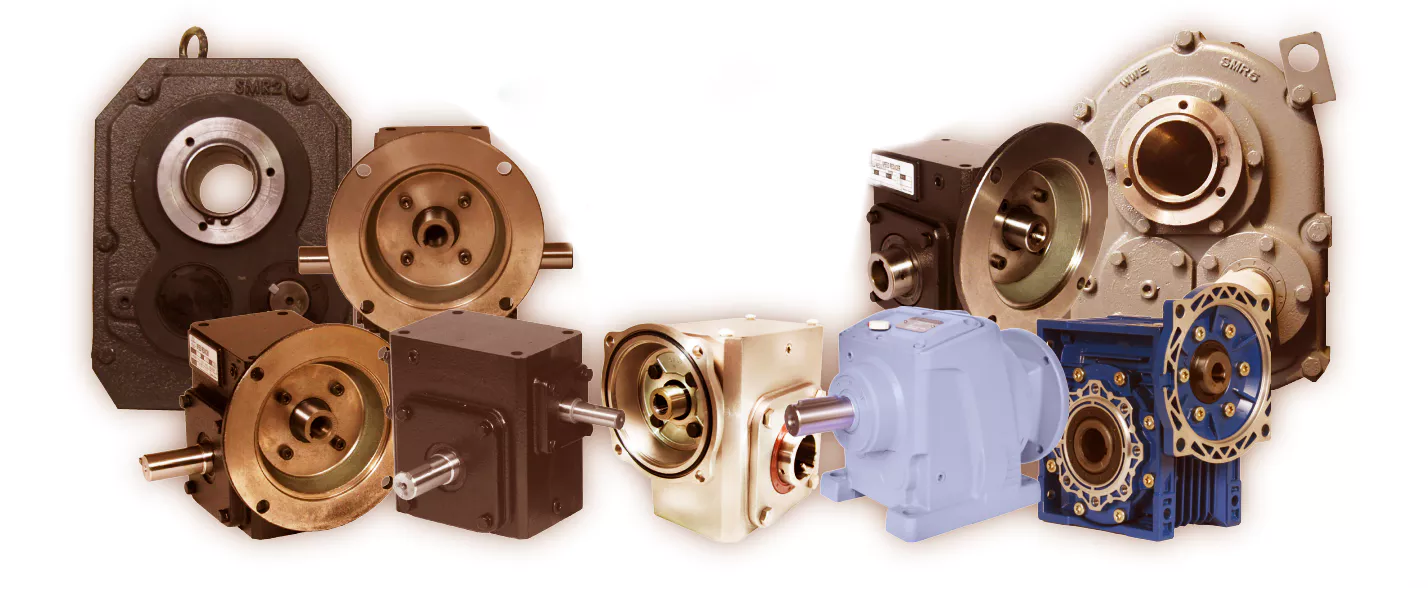
Agricultural Parts
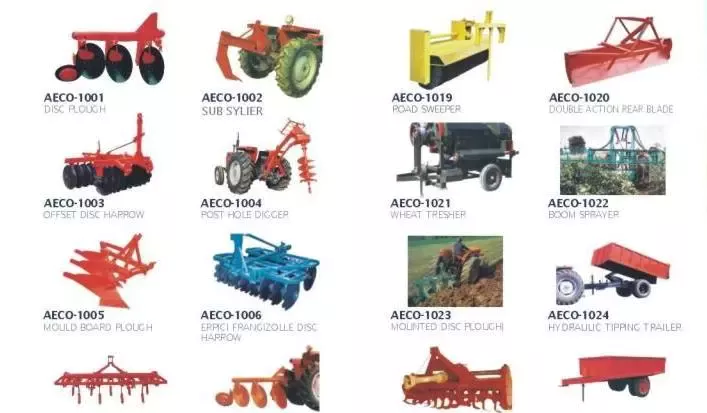
If you’ve been to a farm, you’ve probably seen all kinds of agricultural parts. These mechanical devices are used in agriculture and include hand tools, power tools, tractors and countless farm implements. If you’re not familiar with them, it’s time to review them. Read on to learn more about agricultural parts. Of course, if you’re looking for specific types, you’ll want to know what makes them different.
Steel
Modern farmers demand greater productivity and efficiency, lower fuel and other costs. Forged steel is one solution that meets both of these goals. With forged steel agricultural parts, the future of agriculture is bright. In this article, we’ll review some of the key steels used in agricultural equipment and their unique properties. Ultimately, you’ll save money and increase productivity. let’s start. How do steel agricultural parts work?
Steel is corrosion resistant. It can withstand the corrosive elements that agricultural equipment encounters in the field. Steel is also ductile, allowing for design flexibility. Because of these advantages, steel is the first choice for farm and hand tools. Steel also prevents soil from sticking, making cleanup easier. Stainless steel is 100% recyclable and may have antimicrobial properties. In addition to being resistant to corrosion, steel retains its integrity in outdoor conditions.
In addition to the quality of steel agricultural components, it is also important to choose a responsible manufacturer. Whether a company is responsible for the money or just for the money depends on the product the manufacturer offers. Some manufacturers may lack reputational advantages or have workmanship defects. Therefore, it is necessary to pay attention to certain aspects in the production process of steel farming accessories manufacturers.
Iron
Cast iron components for agricultural machinery are extremely durable and strong, and are manufactured to meet the needs of leading agricultural machinery manufacturers. They are available in a variety of shapes and weights and can also be customized to meet specific customer requirements. Here are some common uses for iron agricultural parts. Read on to learn about their capabilities and how they can benefit you. Agricultural iron parts are widely used in agricultural equipment such as tractors, combine harvesters, and combine harvesters. Agricultural machinery such as tractors, weeders and harvesters require iron components. Grey cast iron, cast steel and ductile iron are commonly used materials for agricultural machinery parts. The grey cast iron gearbox supports the drive shaft and ensures the correct installation of other components. Grey cast iron has excellent wear resistance and machinability, and also has a damping effect. Below are some common examples of gray iron agricultural machinery parts.
Aluminium
Some of the leading companies in the agricultural industry choose to use aluminium components in their equipment. CZPT is one of these companies. With more than 50 years of experience in the aluminum industry, the company has brought many innovations to the agricultural market. I recently had the opportunity to speak with Jonas Bjuhr, Director of Product Development at CZPT. He shares his insights on agricultural aluminum solutions and his philosophy on how the company does business.
Metal spinning process, also known as spinning and metal turning, is the transformation of metal cylindrical parts into hollow parts. The process works with a variety of metal bases, producing parts that are both strong and durable. CZPT Company has been producing agricultural equipment parts since 1908. It is also known for producing straight seam lock seam irrigation pipes. To deliver the pipes, CZPTs will load railcars on the siding at its plant. However, the rise of PVC pipes has made this process unnecessary. The company has developed standard angle flange connection pipes.
Bronze
Bronze is a metal alloy composed of copper and tin. As an alloy, it binds two metals together at the molecular level to form a new material. Although people throughout history don’t know why tin and copper were combined to make bronze, an innovative blacksmith discovered the alloy and opened up new possibilities. Bronze agricultural parts are made from a variety of metals, including copper and tin. Below are some common examples.
Plants found at the Raj site are mainly fruit crops, but the archaeological site also includes large amounts of barley and emmer. The lack of chaff suggests that grain processing took place far from the site, suggesting that fruit crops played an important role in the agricultural life of the Raj in the 15th and 12th centuries BC. However, there is very little information on how the grain is processed.
Late Bronze Age sites have cadaveric remains of grains and legumes, but no new crops have been found. In the Iberian region, CZPT is more prominent, while other legumes are less common. Acorns are the only wild fruit consistently found at archaeological sites, suggesting their role in regional survival. The earliest recorded use of pits as storage facilities lasts at least 4,000 years.
Cast iron
CZPT manufactures cast iron agricultural parts that provide strength and durability to a wide variety of agricultural machinery. They meet the exacting specifications of leading agricultural machinery manufacturers, ensuring a reliable product in the field. The company offers a variety of weights and shapes, and can customize solutions for any application. Below are some of the most popular applications for cast iron agricultural parts. Each of these applications offers a range of advantages. The company’s engineers provide state-of-the-art technical solutions.
Cast iron products have a variety of uses in the construction and mining industries. These metals are used to build bridges, building frames, lamp posts, gates, and more. These metals also make excellent engineering materials for water pipes and sewers, manhole covers, and more. Below are some of the most common applications for cast iron agricultural parts. To learn more about the many applications of cast iron agricultural components, visit the university.
Aluminium alloy
If you are interested in replacing metal agricultural parts, consider the advantages of aluminium alloys. Not only is it lightweight, it is also non-corrosive and non-corrosive, making it a perfect replacement for heavier metals. And it’s also better for the environment, which is a growing concern. Learn what you can do with aluminum castings and why you should use them for your agricultural components. We can help you find the right alloy for the application and specific application you are using.
Aluminum alloys are available in different grades, which are further divided into various properties. Different grades are classified according to the main alloy composition. Alloys are selected based on their strength-to-weight ratio and other factors. In addition, they have high levels of ductility, workability and corrosion resistance. Because of these properties, aluminum alloys are widely used in aircraft and many other industrial applications.
Bronze Alloys
One of the most common uses of bronze alloys is in agricultural parts. Its copper-tin composition provides strength and durability. This alloy is also corrosion resistant. Many farmers use bronze for agricultural purposes, especially combine harvesters and other tools. The following article will describe the benefits of bronze in agricultural uses. Read on to learn more. The basic structure of bronze alloys is as follows. Bronze is composed of 88% copper and 12% tin. The ratio of tin increases with melting, while the ratio of copper to tin decreases.
This copper-based metal has unique properties that are indistinguishable by appearance alone. You should look for a metal specialist who can guide you to find the best fit for your needs. CZPT is one of the top copper suppliers and they manufacture their own products. The metal spinning process is the most versatile and consistent method of manufacturing parts. Bronze is a product of adding tin to copper and has many positive properties.
Cast Iron Alloys
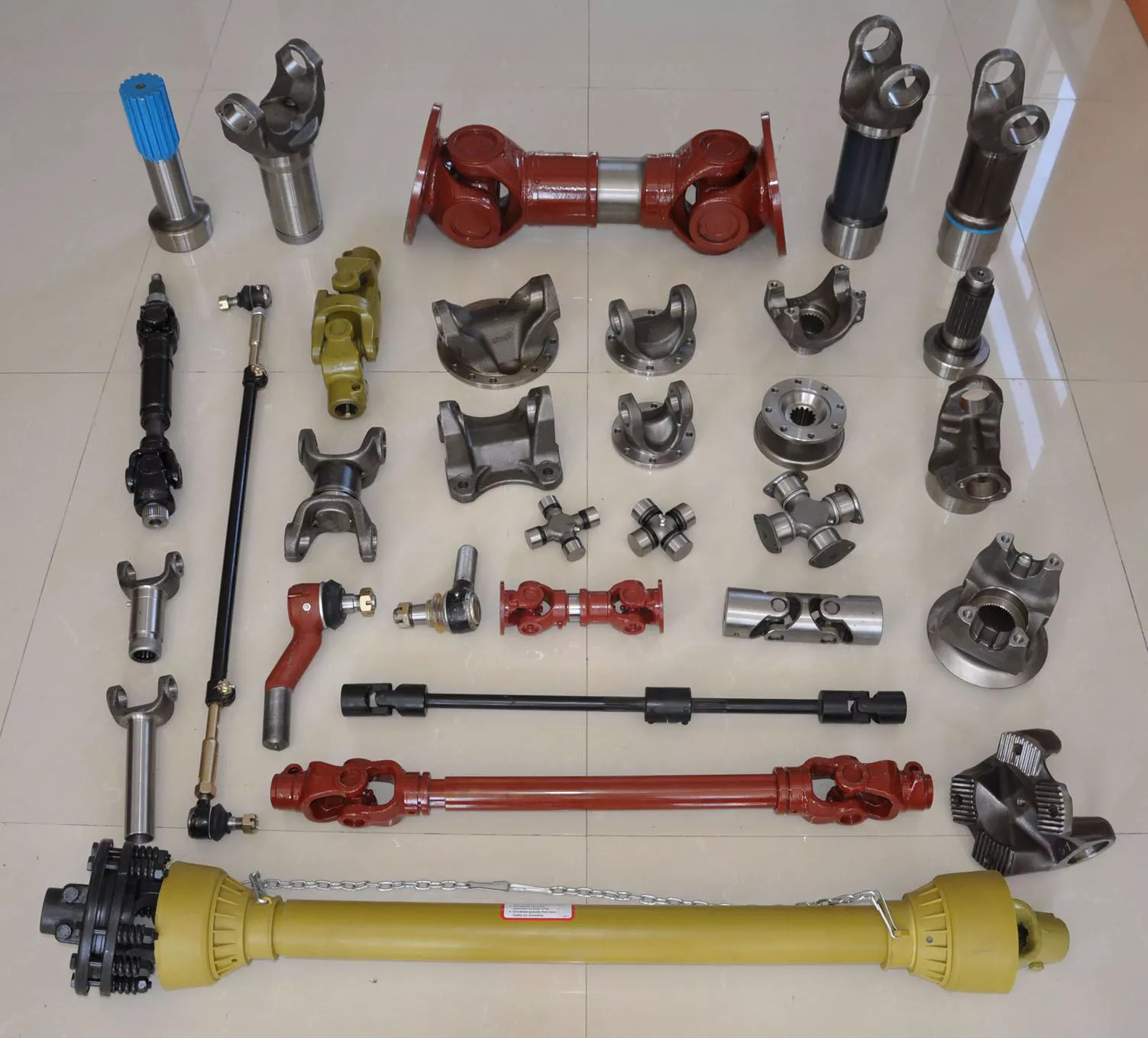
CZPT provides rugged cast iron agricultural components for a variety of applications. These castings are manufactured to the exacting requirements of leading agricultural machinery manufacturers, ensuring a reliable product in the field. Their castings come in a variety of shapes and weights and can also be custom designed to meet individual customer requirements. The application of cast iron includes:
Ductile iron, also known as ductile iron, is a special property obtained by adding magnesium to the metal. It is a ductile iron that is spherical due to the addition of magnesium. In the manufacturing process, composition control is important because impurities such as sulfur and oxygen react with magnesium to form different types of ductile iron. These impurities change the shape of the graphite molecules. Different grades of ductile iron are obtained by manipulating the microcrystalline structure of the metal, making austempered ductile iron another type of cast iron.
This ferrite-containing iron is suitable for machining. Its microstructure is similar to mild steel, but it contains enough dissolved silicon to remove the metal’s stickiness. This means that ferritic cast iron castings do not require the addition of sulphur or lead. If high-speed machining is used, false chips will form on the cutting edge. However, the machinability of cast iron makes it an excellent choice for agricultural applications.
What makes agricultural parts so special?
If you’ve been to a farm, you’ve probably seen all kinds of agricultural parts. These mechanical devices are used in agriculture and include hand tools, power tools, tractors and countless farm implements. If you’re not familiar with them, it’s time to review them. Read on to learn more about agricultural parts. Of course, if you’re looking for specific types, you’ll want to know what makes them different.
Steel
Modern farmers demand greater productivity and efficiency, lower fuel and other costs. Forged steel is one solution that meets both of these goals. With forged steel agricultural parts, the future of agriculture is bright. In this article, we’ll review some of the key steels used in agricultural equipment and their unique properties. Ultimately, you’ll save money and increase productivity. let’s start. How do steel agricultural parts work?
Steel is corrosion resistant. It can withstand the corrosive elements that agricultural equipment encounters in the field. Steel is also ductile, allowing for design flexibility. Because of these advantages, steel is the first choice for farm and hand tools. Steel also prevents soil from sticking, making cleanup easier. Stainless steel is 100% recyclable and may have antimicrobial properties. In addition to being resistant to corrosion, steel retains its integrity in outdoor conditions.
In addition to the quality of steel agricultural components, it is also important to choose a responsible manufacturer. Whether a company is responsible for the money or just for the money depends on the product the manufacturer offers. Some manufacturers may lack reputational advantages or have workmanship defects. Therefore, it is necessary to pay attention to certain aspects in the production process of steel agricultural accessories manufacturers.


editor by CX 2023-05-11